
Your welding helmet is the quietest comrade at your workstation. It takes the brunt of flying sparks, filters dazzling light, and guards your precious eyes through countless work hours. But have you considered that this loyal protector also needs your care? A simple maintenance routine can greatly extend its service life and ensure it never fails when you need it most. Today, we discuss five core rules to make your welding helmet “live longer and stronger.”
Rule 1: The Gentle Art of Lens Cleaning
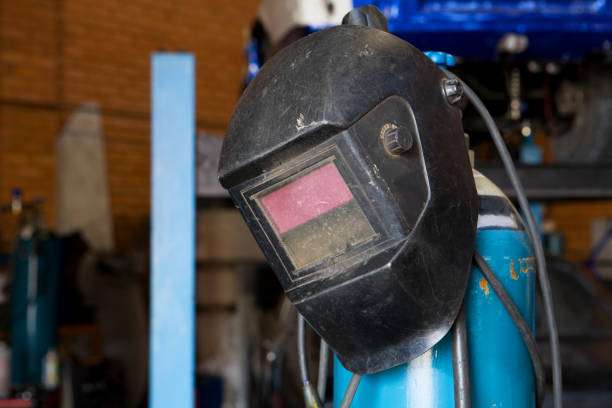
This is the most frequent and easily mishandled step. The auto-darkening filter (ADF) and outer protective lens are the “eyes” of the helmet. Rough treatment leads to blurry vision, scratches, or even damage to the internal LCD unit.
Proper procedure:
- Blow before wiping: Always use clean, dry compressed air or a soft brush to gently remove dust and grinding particles. Hard particles are the main cause of scratches.
- Use specialized cleaner and microfiber cloth: Spray a small amount of lens cleaner or diluted isopropyl alcohol on a soft cloth, then gently wipe in circular motions. Never spray directly onto the lens to prevent seepage. For helmets with a 3.86×1.62-inch large viewport, meticulous cleaning ensures full clarity across the wide field of view.
- Clean separately: If the helmet has a removable outer lens, detach it and clean both sides. Remember, the inner lens is usually more delicate.
Rule 2: The “Endurance Secret” of the Power System
Modern auto-darkening welding helmets rely on electronics. Unstable power means protection could fail instantly.
Tips:
- Utilize solar power: For helmets with solar panels, place them in light (not direct strong sunlight) during breaks. This keeps the internal battery charged, ensuring eco-friendly, uninterrupted operation.
- Regular inspection and replacement: Even with solar assist, most helmets include replaceable backup batteries (e.g., CR2450). Replace with a new high-quality battery every 12-18 months or when low-power indicators appear. Don’t wait for complete depletion.
- Long-term storage: If storing for several weeks, remove batteries to prevent leakage and circuit damage.
Rule 3: Suspension System “Joint Care”
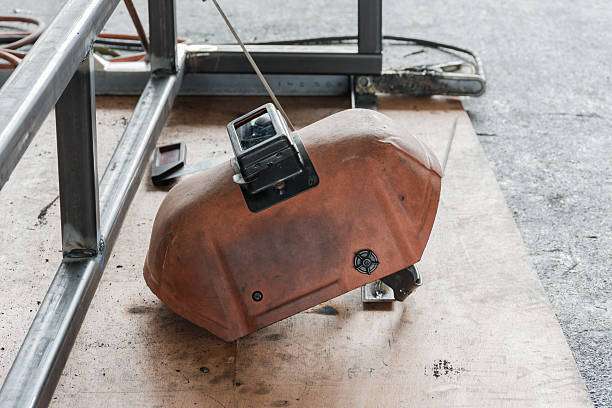
Headbands, hinges, and adjustment gears are the “joints” ensuring comfort and stability. Accumulated sweat, dust, and metal particles can cause sticking, slippage, and fabric aging.
Maintenance:
- Regular wiping: Use a slightly damp soft cloth to clean headband padding and plastic parts, removing sweat and oil. Let air dry naturally; avoid direct sunlight.
- Check moving parts: Monthly check the helmet hinges and headband adjustments for smooth operation and secure locking. Tighten or adjust as needed to maintain a multi-step adjustable system that provides consistent comfort.
- Avoid forceful handling: Adjust headbands gently; don’t pull or twist plastic clips aggressively.
Rule 4: Deep Cleaning of Shell and Interior
Sparks and daily bumps leave slag and dirt on the helmet shell. These not only affect appearance, but falling slag can damage you or the workpiece.
Steps:
- Remove slag: Use slag removal tools or an old screwdriver to gently scrape off welding splatter from PC or PP shells. Avoid sharp tools for scraping.
- Interior cleaning: Occasionally remove inner padding (if detachable) and clean the interior with a damp cloth. Ensure ventilation holes are clear to maintain comfort.
- Maintain material advantages: Helmets made of high-quality PP+LCD or PC materials are inherently impact-resistant, heat-resistant, and insulating. Regular cleaning prevents stubborn grime from compromising durability.
Rule 5: Safe Storage “Resting Place”
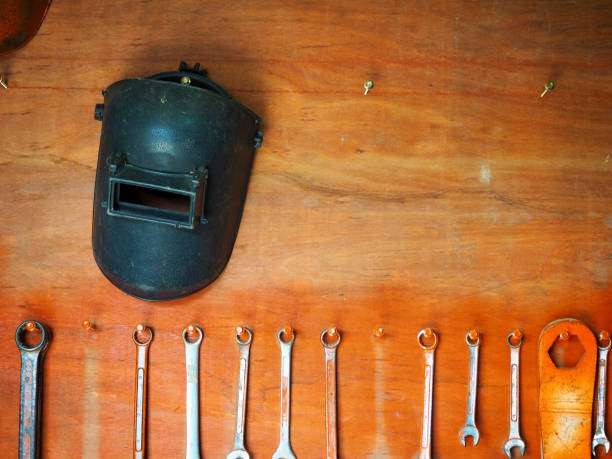
Leaving the helmet on a workbench, car trunk, or damp floor gradually damages it.
Storage tips:
- Use dedicated hangers or storage boxes: Invest in a helmet hanger or a soft-lined storage box. Store with the lens in the “bright state” to save power and turn off auto-darkening if available.
- Avoid extreme conditions: Don’t leave the helmet in direct sunlight inside cars, near heat sources, or in very humid environments. High heat and moisture are enemies of electronics and LCDs.
- Proper placement: Always store upright or hang on a hook, preventing the lens from contacting hard surfaces.
Frequently Asked Questions (FAQ)
Q: The thin film on my auto-darkening lens seems wrinkled. Should I peel it off?
A: Absolutely not! This thin film is the crucial outer protective lens. It shields the expensive ADF inside from sparks, scratches, and dirt. If it wrinkles, scratches, or breaks, replace it immediately. Maintaining this outer lens is essential for a clear, true-color view.
Q: The headband has loosened and won’t fit snugly. Can I fix it myself?
A: It depends on the cause. If the strap has physically stretched over time, replacement through the supplier is required. If the adjustment gear slips, check for debris and try re-locking. Many helmets have adjustable designs allowing fine-tuning. Regular maintenance and gentle adjustment extend lifespan. Seek official or professional repair if DIY fails.
Remember, every careful action you take to maintain your welding helmet is an investment in your safety. A few minutes of daily maintenance can prevent blurred vision, malfunction, and costly replacements.
A well-maintained helmet will accompany you through a longer career while delivering factory-level performance—fast auto-darkening and a wide, clear field of view. Don’t treat your most important safety gear as disposable. Start today with these 5 golden rules to give your helmet a longer life and continue guarding your focus and safety at every weld.
Your helmet deserves proper care. Check your trusty companion now and give it the maintenance it deserves. If it has endured many years, perhaps it’s time to upgrade to a tougher, smarter, and well-maintained new partner.
Related Posts
Welding Helmet Maintenance Mistakes That Shorten Lifespan
-
Posted by
 Mark H. Boswell