True Color vs. Filtered Light: Which “Visual Mode” Do You Really Need for Welding?

Step into any modern welding supply store or browse an online marketplace, and you’ll be surrounded by welding helmet slogans. Among them, “True Color Display” and “Blue Light Filtering” are two of the most highlighted features. They often appear side by side, making you feel like you have to choose one over the other.
This raises a core question: in the visual world of welding, is it more important to pursue absolute color fidelity or to ensure long-lasting visual comfort? Today, we’ll break down the logic behind these two technologies and help you understand which protection your eyes really need while welding.
“HD Mode for Vision”: True Color Display for Precision
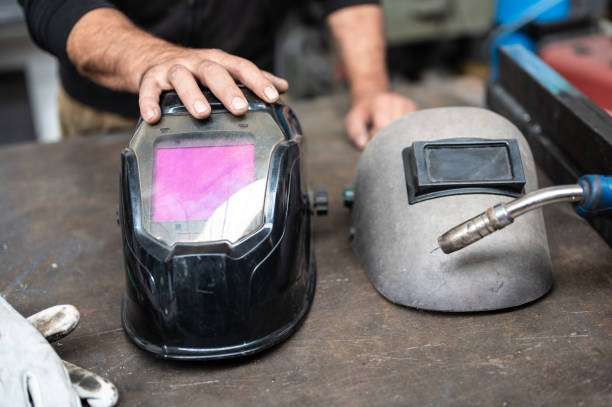
First, let’s understand what “True Color” really means. Traditional auto-darkening lenses use specific filtering materials to achieve sufficient shading, which often results in a noticeable color tint—commonly green, gray, or amber. While safe, this color shift can obscure the true appearance and texture of metals.
True Color technology aims to break through this tinted filter. Using advanced optics and lens coatings, it provides protection while minimizing color distortion. Top-tier True Color lenses achieve optical clarity ratings of 1/1/1/1, meaning images from the center to the edges maintain high clarity, minimal distortion, and near-perfect color fidelity.
The core value is information fidelity:
- Accurate judgment: During TIG welding of stainless steel or aluminum, you can clearly see the molten pool flow and edge oxidation color changes (silver → gold → blue), which are crucial indicators for perfect heat input.
- Detail reproduction: In precision welding or repair work, textures, scratches, or alignment marks are all visible under True Color, reducing errors caused by visual distortions.
- Reduced visual strain: A more natural light experience lets the brain process images more comfortably, decreasing cognitive fatigue from prolonged exposure to distorted colors.
In short, True Color display turns you into a detail master at the welding station, maximizing your visual ability for precise craft decisions. A welding helmet with a 3.93 x 3.66-inch large viewing area and 1/1/1/1 optical precision embodies this philosophy, lighting the way in the “darkness” of welding.
“Eye-Care Mode”: Blue Light Filtering for Endurance
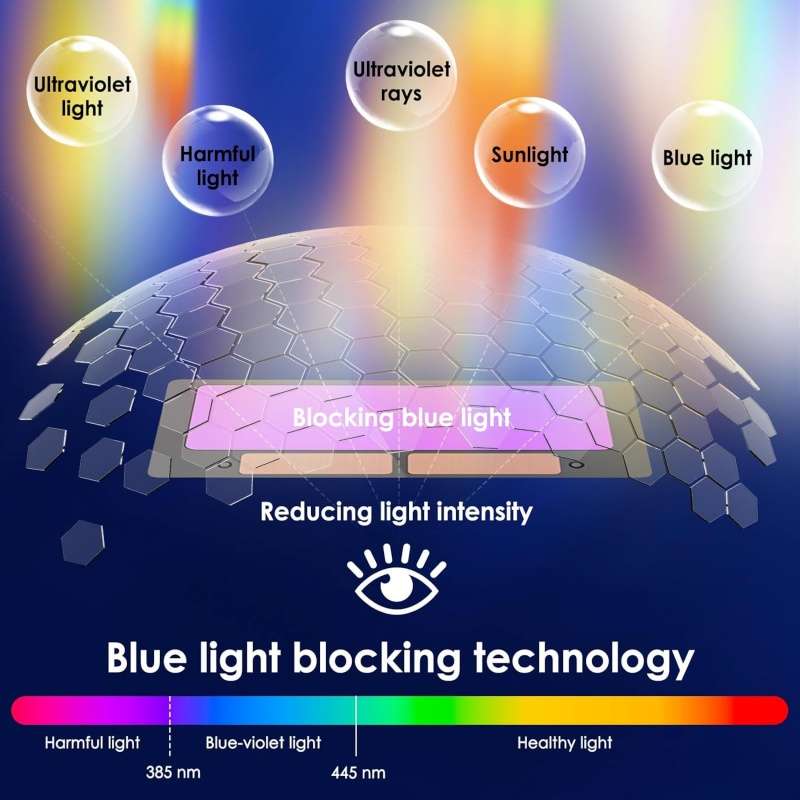
Now, let’s focus on blue light filtering. Here, “blue light” specifically refers to the high-energy visible (HEV) blue light emitted by welding arcs. Unlike UV that causes “arc eye,” its damage is more subtle and long-term.
Blue light filtering is an “always-on” protection. It usually uses special lens coatings that selectively block harmful blue light. Whether your auto-darkening lens is in standby or welding mode, this coating works continuously to reduce specific high-energy blue light.
The core value is long-term health:
- Combating visual fatigue: High-energy blue light causes scatter, glare, and reduced contrast, forcing eye muscles to work harder. Filtering it directly reduces eye dryness, soreness, and fatigue after long welding sessions.
- Long-term risk management: Research indicates prolonged exposure to HEV blue light may increase retinal cell damage risk. Blue light filtering is a preventative occupational health investment, protecting your vision for decades.
- Improved comfort: Many welders report feeling “less strain” on the eyes when switching to welding helmets with blue light filtering, especially after hours of intensive work.
Blue light filtering welding helmets act as a silent “health guardian.” They may not instantly reveal more details, but they ensure your eyes remain comfortable and protected throughout your career, addressing “long-term fatigue” rather than immediate visibility issues.
Not a Simple Choice: Matching Scenario, Process, and Personal Priorities
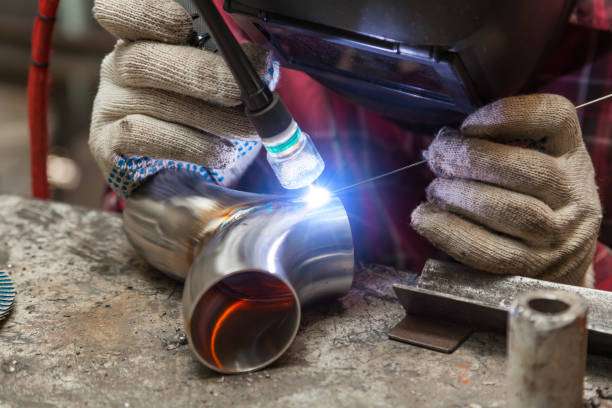
So which should you choose? It depends entirely on your welding type, work duration, and health priorities. This isn’t a single-choice technical debate—it’s a needs-matching decision.
Prioritize True Color Display if:
- You are a TIG welding artist or precision worker: true color directly affects quality.
- Your work involves short, high-precision projects, e.g., custom fabrication, art, and instrument repair.
- You frequently work on various metals and complex textures requiring accurate visual feedback.
- You dislike green/gray color shifts and want a more natural view.
Prioritize blue light filtering if:
- You are a full-time welder, wearing a helmet 6+ hours/day: long-term comfort and fatigue management are critical.
- You mainly perform MIG/MAG or cutting: less need for precise color but high arc intensity and blue light output.
- You already experience eye discomfort or dryness from prolonged welding.
- You prioritize prevention and long-term occupational health.
The good news: integration is now possible. Helmets exist that combine 1/1/1/1 true color lenses with professional blue light filtering coatings. You can achieve both clarity and eye protection simultaneously—typically in high-end professional models.
Beyond Marketing: Experiencing the Difference
Words alone may feel abstract. How do you really judge a feature’s value?
Experience True Color: If possible, compare visually. Look at a colored object through a standard welding helmet lens, then switch to a True Color model. Notice color fidelity and overall transparency—like upgrading from an old TV to 4K UHD.
Understand Blue Light Filtering: Its effect is subtle, reducing long-term fatigue. After prolonged work, observe whether your eyes feel less dryness and need less blinking or resting. That is the filtering quietly at work.
Your Visual FAQ
Q: If I only do weekend DIY projects, which feature is worth investing in?
A: For occasional hobbyists, True Color provides immediate satisfaction and craft improvement. Blue light filtering benefits are less critical for low exposure. For large projects or sensitive eyes, filtering is a thoughtful bonus.
Q: Does blue light filtering make the view yellowish or darker?
A: This is a common misconception. High-quality blue light coatings selectively block harmful wavelengths without reducing overall brightness or color fidelity. The image remains neutral and natural. Poor-quality filters may cause noticeable tinting.
Choosing between True Color and filtering ultimately answers a question about your work philosophy: are you optimizing for your next perfect weld or investing in long-term eye health?
The ideal scenario is both—a True Color wide-view lens with continuous blue light filtering. Modern welding protection aims not only for momentary safety but also for sustained clarity and comfort.
Next time you evaluate a welding helmet, go beyond marketing. Ask yourself: Do I need a “window reflecting the real world” or an “all-day visual health guardian“? Or can I have the ultimate combination of both? Your answer will guide the protection for eyes that have witnessed countless dazzling arcs.
Explore welding helmets with True Color & Blue Light Protection