
If you use a welding helmet for work or a hobby, you probably trust it—but do you know what’s inside? Modern welding helmets combine optics, sensors, power systems, and ergonomics into a single tool that protects and helps you weld better. This article will explain the key technologies in a simple, practical way, using real-world product examples, so that you can choose a welding helmet that is truly suitable for your work.
What the Core System Does: Optics, Detection, and Switching
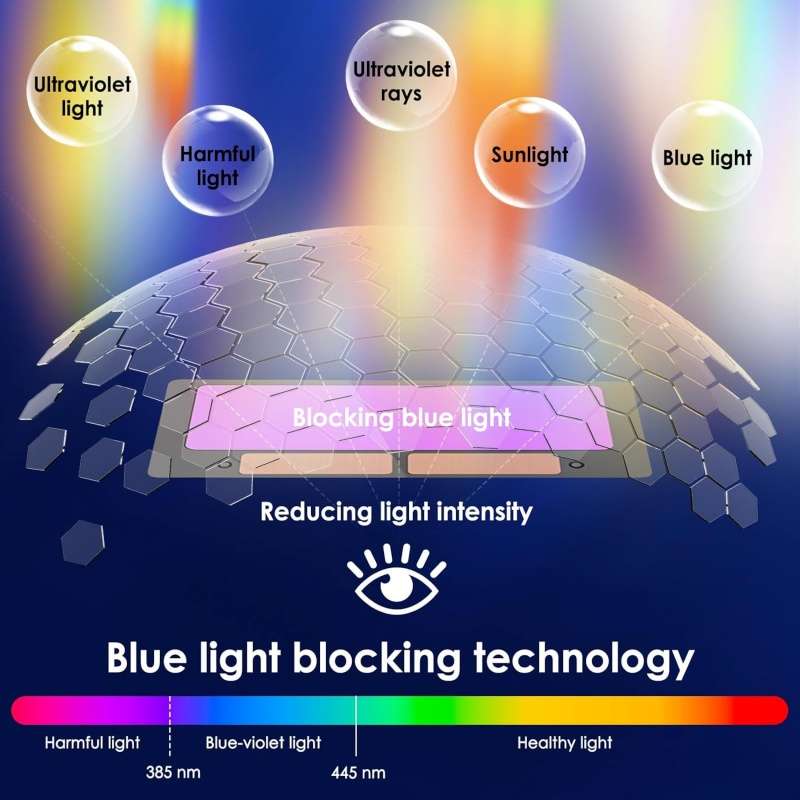
A welding helmet has three core functions: let you see the work, detect the arc, and switch to a protective shade quickly. The optical components, such as the outer lens, inner protective plate, and automatic light-changing lens barrel, constitute the visual path. Good optics mean less color distortion and less eye strain. When the cartridge senses an arc, the auto-darkening filter switches from clear to dark in milliseconds—protecting your eyes while letting you watch the weld.
Sensors can be two or four in number; four sensors reduce blind spots in awkward positions. That matters when you work on pipes or odd angles—you don’t want a missed arc.
How Auto-Darkening Actually Works
Inside the cartridge are LCD layers and polarizers. When no arc is present, the layers let light through so you can inspect or position. The moment the sensors see the arc’s light signature, electronics trigger the LCD to reduce transmittance—fast. That switching speed is often quoted in fractions like 1/30000 s or 1/10000 s. Yes, the numbers matter—but consistent performance under real conditions matters more. A cheap cartridge might advertise a fast number but falter under reflections, bright shop lights, or after heavy use.
If your welding helmet is used in varied environments, prioritize sensor placement and cartridge durability over a single speed number.
Power Systems: Batteries, Solar, and Redundancy
Power keeps the brain of the welding helmet alive. Many modern models use both replaceable batteries and a solar assist. Solar panels extend life and reduce the chance of a dead cartridge mid-shift. But not all solar setups are equal: tiny panels that barely recharge are mostly marketing. Look for a system where solar meaningfully contributes, and battery replacement is straightforward.
A practical tip: choose a welding helmet with a common battery type (e.g., CR2450) and keep spares. It saves an awkward pause mid-job.
Optical Quality: What 1/1/1/1 Means and Why You Should Care
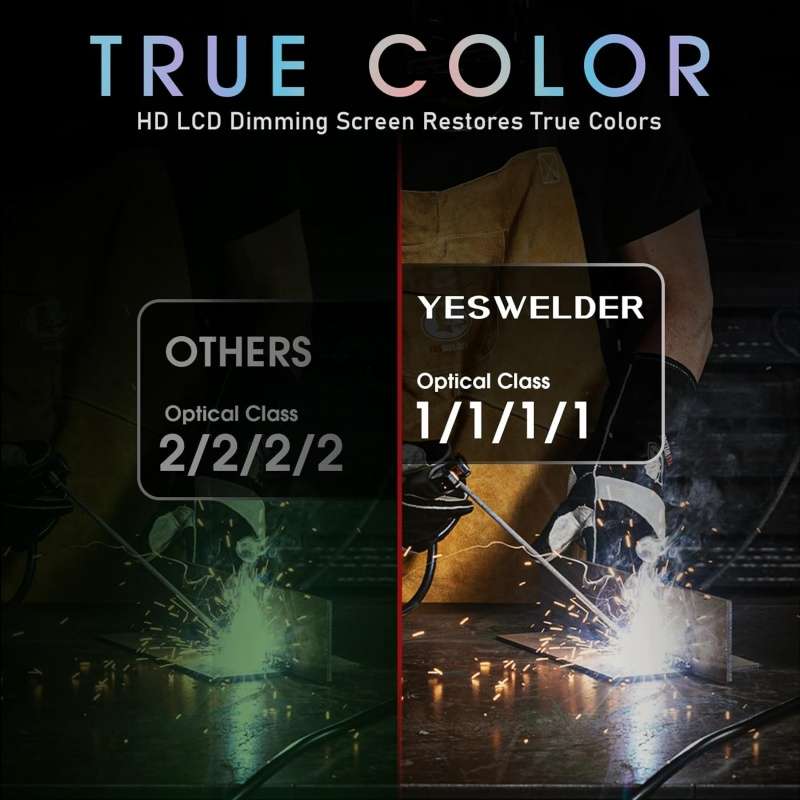
Optical ratings like 1/1/1/1 describe distortion, angular dependence, and edge clarity. Higher grade equals less eye fatigue and more true color perception. For TIG work, where the color of the puddle tells you what to do, that clarity is an advantage. If your welding helmet advertises “true color,” pair that claim with the optical grade and, ideally, a real-world try-on.
Additional Tech: Blue-Light Filtering, Magnifiers, and Sensors
Some welding helmets add blue-light filtering to reduce high-energy visible light exposure. Others offer built-in magnifier pockets for close work. Sensors may include diagnostics—little LEDs or indicators showing battery and sensor status. These “small” features reduce surprises and keep you welding.
If you switch between welding and grinding, a clear grind mode that’s reliable will save you the repeated doffing of the hood. That’s productivity in action.
Ergonomics and Safety: The Often-Overlooked Tech
The best welding helmet technology isn’t only in the cartridge. Headgear design, balance, and padding control how long you can work without neck fatigue. A balanced welding helmet feels lighter even if it isn’t. Also, shell materials such as PC and PP affect durability and heat resistance. If your job involves impact risk, a more reinforced shell matters.
Comparison of Actual Welding Helmets
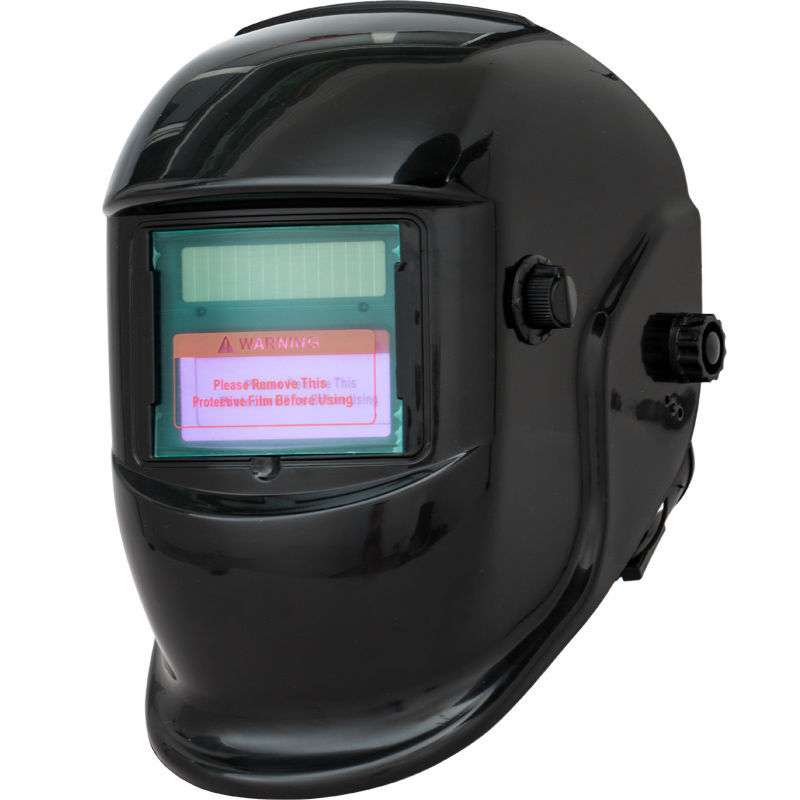
- True Color Auto Darkening Welding Helmet—solid power redundancy and comfortable headlight headgear. Good for mixed MIG/MMA work where battery reliability matters.
- The Large View Auto Darkening Welding Helmet—prioritizes optical clarity and comfort for detailed TIG or precision work. This welding helmet is expected to cause less eye strain and better color cues.
These examples show trade-offs: power and robustness versus peak optical performance. Pick based on what you actually do, not only on a spec sheet.
Buying Checklist: Tech That Helps Day-to-Day
- Prefer four-sensor layouts if you weld awkward angles.
- Check optical rating (1/1/1/1 is excellent).
- Confirm cartridge switching reliability, not just speed number.
- Choose welding helmets with meaningful solar assist and easy battery access.
- Look for modular lens systems and replaceable parts for easier maintenance.
Maintenance Tip: Keep Tech Working
Clean lenses gently, test the auto-darkening function before shifts, and store the welding helmet away from heat. Replace batteries and outer lenses at the first sign of trouble. A small maintenance habit keeps the tech behaving—and saves money.
Conclusion: Tech in Service of Craft
A modern welding helmet blends optics, sensors, power, and ergonomics. Understanding the tech helps you choose a hood that reduces interruptions, protects reliably, and actually improves your welding. Don’t chase a single headline spec; think system: sensors, cartridge, power, and comfort together. Try on hoods, test cartridges, and keep spares on hand. Your eyes and your welds will thank you.