
If you own a welding helmet, you might reasonably treat it as basic personal protective equipment, but it’s better to treat it as a precision tool. Regular care keeps the optics clear, the sensors responsive, and the headgear comfortable. Neglect it, and small issues compound: scratched lenses, flaky sensors, dead batteries, and ultimately downtime. This guide is practical, no-fluff, and designed to help you maintain your welding helmet so it performs safely and reliably shift after shift.
Why Maintenance Matters

A welding helmet protects eyes and face, yes—but it also affects productivity. A grimy lens slows you down. A tired cartridge can mis-trigger or fail to darken. Fixes are often cheap; replacements are not. Keep the hood in good shape, and you keep your work steady, your rejects down, and your costs lower.
Daily Rituals That Pay Back Immediately
Start with a short pre-shift routine. Do this every day—it takes two minutes and prevents common failures.
- Check the outer lens for scratches and wipe clean.
- Test the auto-darkening response with a quick arc check.
- Feel the headband: adjust tension and alignment.
- Verify battery or solar panel status.
These tiny actions reduce interruptions. When the welding helmet behaves, you stay in the zone. Promise.
Weekly Care: Deeper but Still Quick
Once a week, perform a slightly deeper inspection.
- Remove and clean the outer and inner lenses properly—use a microfiber cloth and lens-safe cleaner.
- Inspect sensors and wipe away spatter or dust; lightly blow them out if needed.
- Check mounting points, screws, and pivot hardware for looseness; tighten as required.
- Confirm the cartridge seals and housing are intact and free of cracks.
If you use a welding helmet in a dusty or high-heat environment, consider increasing this cadence.
Battery and Power Care—Don’t Wait Till It Dies
Many models combine battery with solar-powered assist. That’s great—but misuse can shorten life. Replace coin cells (or rechargeable packs) on schedule. Store spare batteries in a dry place. If your welding helmet shows intermittent darkening, swap the battery first before assuming a cartridge failure.
Pro tip: note battery type and keep spares on-site. A dead power source is the most avoidable cause of emergency downtime.
Lens Handling and Replacement Strategy

Outer lens scratches reduce clarity and can be a safety hazard. Replace outer lenses at the first significant scratch—don’t wait. Inner lenses (and protective films) protect the cartridge; remove factory films only after inspection and keep spares for field replacement.
If your welding helmet supports modular lenses, stock the compatible sizes so repairs are fast. Modular systems save you from sending hoods out and keep the welding helmet in service.
Sensors and Cartridge Care—The Heart of Reliability
The cartridge and its arc sensors are the most sensitive parts. Keep sensors clean and aligned. If the welding helmet misses arcs at awkward angles, check sensor placement and test with small, controlled arcs. If the cartridge’s response slows or flickers, try a new battery and ensure the solar cell is unobstructed.
Avoid touching the cartridge glass with greasy fingers—oils degrade coatings over time. Treat the cartridge like camera glass: clean gently and store covered.
Storage and Transport—Where Many Hoods Fail
A lot of damage happens off the job. Do not toss the welding helmet face-down on a bench or leave it in a damp van overnight. Use padded cases or dedicated shelves. Avoid stacking heavy objects on top of the hood. Keep it out of direct sunlight for long periods—UV and heat can warp plastic and fade coatings.
If you travel, invest in a compact case. It’s a small cost that avoids cracked housings and misaligned pivots.
Troubleshooting Quick Guide
- Helmet won’t darken: check battery, then sensors, then cartridge.
- False darkening: clean sensors and check for reflective surfaces creating stray arcs.
- Fogging: Inner lens anti-fog may be worn—replace protective films or inner lenses and ensure adequate ventilation/padding.
- Headband sore points: swap padding or use a different head cradle if available.
Most issues are routine; you don’t need to replace the whole welding helmet for a single failing part.
Examples of Practical Products
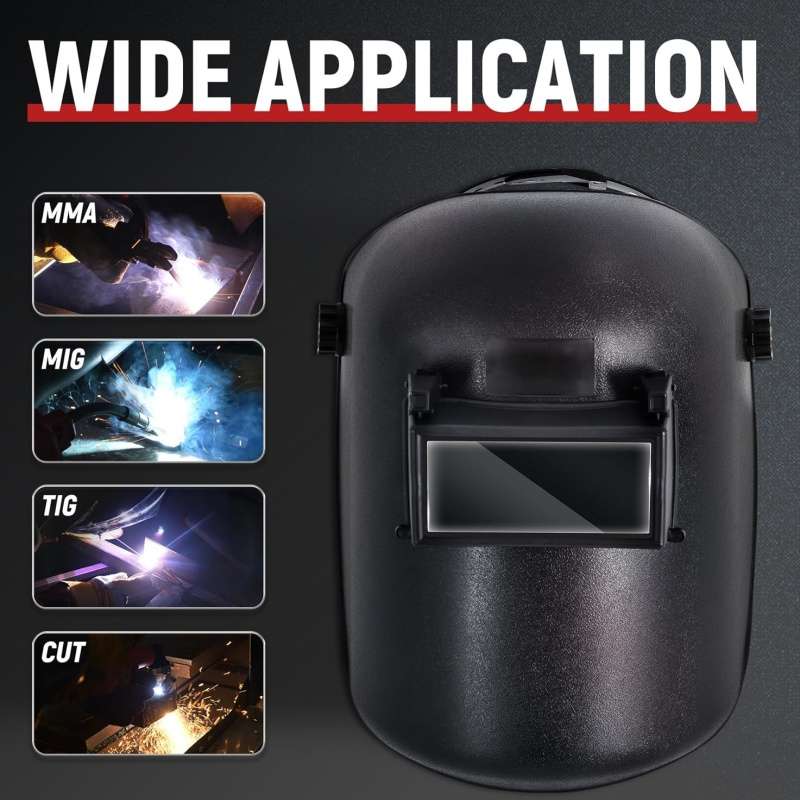
Two of the models you carry demonstrate how design choices affect maintenance and field serviceability:
- True Color Auto Darkening Welding Helmet — This helmet’s housing uses high-quality PC material that resists drops and high temperatures, which reduces case cracking and warping over time. The solar-powered auxiliary system helps cut down frequent battery swaps; still, keep spare CR-type cells on hand for long jobs. Its large viewing screen and modular lens design make outer-lens replacement straightforward in the field—you won’t need special tools or to send the hood out for small repairs. The adjustable headband and breathable padding are easy to inspect and replace, so routine checks and minor swaps are fast and cheap.
- True-Color Auto-Dimming Head-Mounted Welding Helmet — With a PP + LCD construction and a 3.86″ × 1.62″ viewing area, this model balances durability and maintainability. The removable lens plates and simple lens-tightening design mean shops can stock compatible spares and swap them between shifts. Its solar-powered design and lack of manual shade fiddling reduce user errors that lead to premature cartridge replacement. Ventilation and headgear adjustments are accessible, so weekly tightening and pad replacement are quick tasks that keep the hood in service.
Both helmets highlight a maintenance-first approach: choose models with replaceable outer lenses and accessible headgear parts.
Maintenance Checklist
- Daily: wipe lenses, test darkening, adjust headgear.
- Weekly: deep clean, inspect sensors, tighten hardware.
- Monthly: swap batteries if used frequently, and inspect cartridge seals.
- Annually: full inspection and spares audit.
Stick to it.
Closing—Small Habits, Big Savings
A welding helmet is a safety device and a work tool. Treat it as both. By adopting certain habits, conducting regular in-depth checks, and storing items properly, you can protect both your eyesight and your wallet. The gear that’s cared for works better, longer, and more predictably. Do the small stuff now; you’ll avoid the big, expensive problems later.
Keep every shift safe—choose a welding helmet engineered for precision and lasting performance.