
The welding helmet started as pure protection: a shield between arc and eye. Now? It lives on Instagram feeds, gallery walls, and at maker fairs. That shift from utility to identity is fascinating and a little messy. This article traces how the welding helmet moved into culture, what that means for safety, and how to personalize one without turning it into a hazard.
From Workshop Staple to Cultural Object
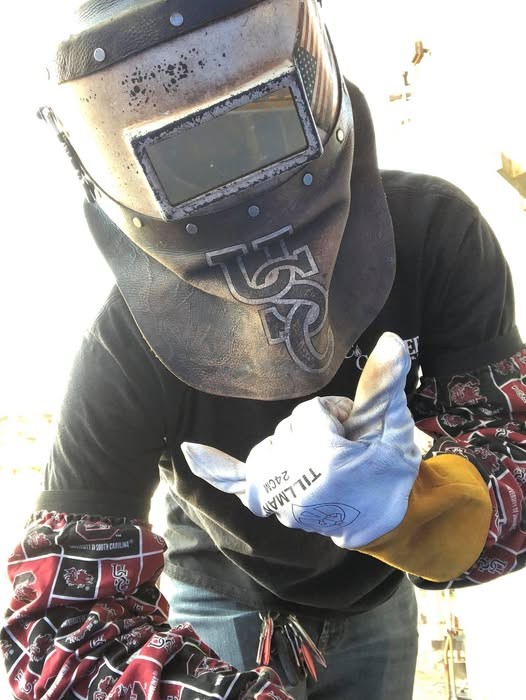
Once, a welding helmet was strictly a tool. Today, it’s also a statement. Artists paint helmets into murals. Cosplayers adapt them into character pieces. Makers use retrofitted helmets as lamps or sculptural bases. The image of a hooded figure welding has become a visual shorthand for grit and creativity. That’s why you see welding helmets in marketing materials and music videos, and of course, you can see them on coffee shop shelves as decorative items to start conversations.
But let’s be clear: cultural uptake doesn’t erase the original function. A welding helmet still protects. The question is how to channel cultural expression without compromising protection.
Two Responsible Ways People Merge Style with Safety
By remembering the following rules, you can maintain your individuality while ensuring your safety.
1) Surface Customization: Paint and Decals
Custom paint, vinyl wraps, or heat-resistant decals let a welding helmet carry a message or brand. Keep modifications cosmetic:
- Use paints rated for high temperatures and avoid coating ventilation or seams.
- Don’t alter the lens or its housing. That’s where safety standards live.
- Keep any nameplates or stickers small and flat so they don’t snag or trap heat.
This method transforms the welding helmet into a personal item without altering its protective function, while also allowing for the integration of individual personality. It is inexpensive and reversible, and because people tend to care about their own individuality, it can surprisingly increase usage.
2) Functional Personalization: Comfort and Compatibility
Some welders prefer swapping headgear, adding sweatbands, or fitting magnifying inserts. These are practical personalizations:
- Choose accessories that are compatible with the manufacturer’s mounting system.
- Replace, don’t modify, critical parts: swap the headband for a manufacturer-approved alternative rather than cutting or drilling.
- Keep the auto-darkening cartridge untouched; that’s not a DIY zone.
Functional tweaks improve comfort and uptake, and comfort directly affects safety and quality of work. A welder who wears their welding helmet consistently is less likely to cut corners.
Cultural Risks: When Style Undermines Safety
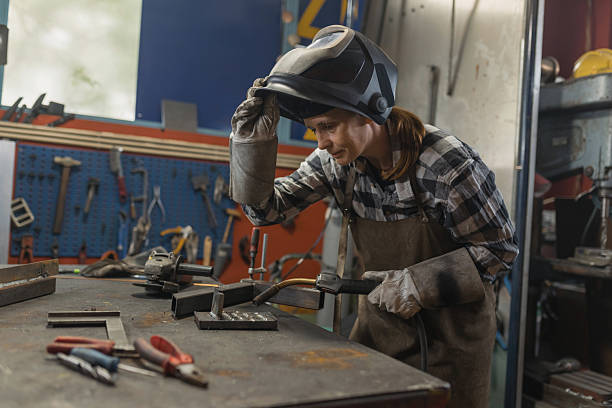
There’s a thin line between creative expression and dangerous modification. A painted lens tint, cut-out vents, or glued-on embellishments near the cartridge can invalidate certifications. Worse, they create real hazards. So if a shop embraces customized hoods, draft a policy: cosmetic only, no interference with optics, sensors, seals, or structural integrity.
Also watch social media trends. “Cool” might go viral, but viral doesn’t equal safe. If a trend asks welders to alter a hood in a way that reduces protection, say no. A culture that increases risk is not a culture but a burden.
Community Stories: How Personalization Changed a Shop
A small fabrication shop I visited started a “helmet day”: every Friday a welder could personalize their welding helmet with a decal or stripe. Within weeks, the crew took better care of their hoods. Cleaning frequency rose, scratched lenses were reported sooner, and oddly, morale improved. When a welding helmet becomes a personal item, it is no longer something borrowed or something thrown on the ground. The shop documented fewer lens replacements and fewer near-miss complaints. Human detail: people liked seeing their name on a hood. Simple.
Practical Checklist for Safe Personalization
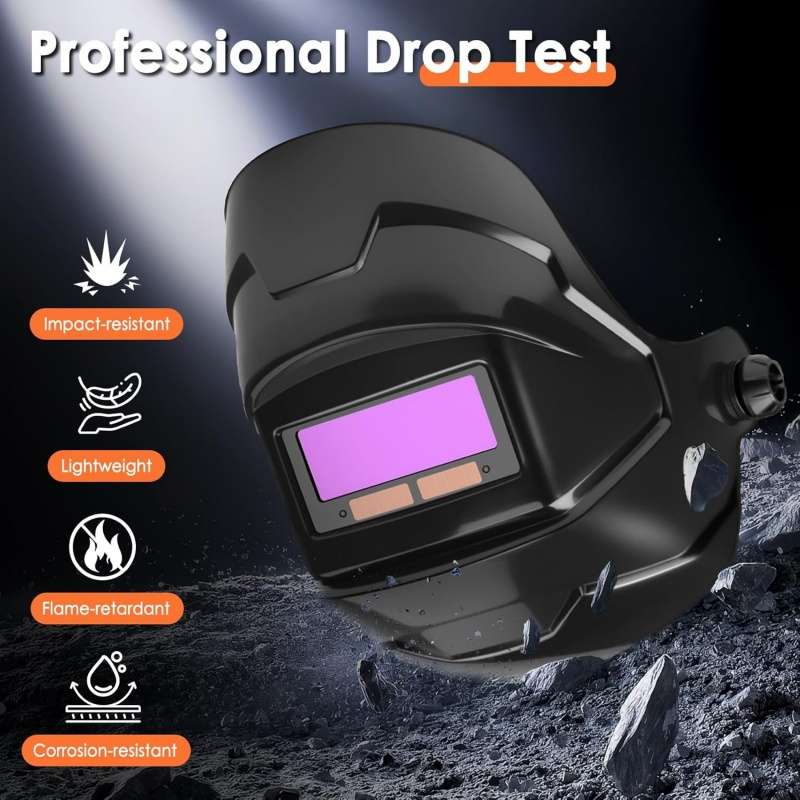
- Never alter the lens housing, sensors, or cartridge.
- Use heat-resistant, non-conductive materials for decoration.
- Keep ventilation and seals clear.
- Use only manufacturer-approved replacement parts for headgear or inserts.
- Document customizations and ensure everyone on site knows the shop policy.
Follow this, and you get the best of both worlds: a welding helmet that represents identity and still does its job.
Conclusion: Culture with Constraints
The welding helmet can be a canvas, an identity marker, and a safety tool. Culture is valuable: it increases care, compliance, and sometimes creativity. But it must live within the constraints of protection. Personalize the shell, not the shell’s function. Swap headgear, not cartridges. Celebrate style, but keep the shield intact.
Try a small, reversible personalization experiment. Paint a stripe, add a nameplate, and maintain the rest. See how behavior changes. You might find that a little flair makes people wear their welding helmet more proudly, and that’s a win for safety and community.