
When we talk about welding safety, the first thing that comes to mind is that dazzling arc light. Indeed, an auto-darkening filter (ADF) protecting against UV and IR is the baseline, the lifeline. But dangers often hide in overlooked corners. A truly professional welding helmet’s protection goes far beyond instant darkening.
Today, we dive into three commonly ignored yet critical protective dimensions to see if your gear truly provides 360-degree coverage.
1. Invisible Fatigue: The Long Battle with Blue Light and Visual Clarity
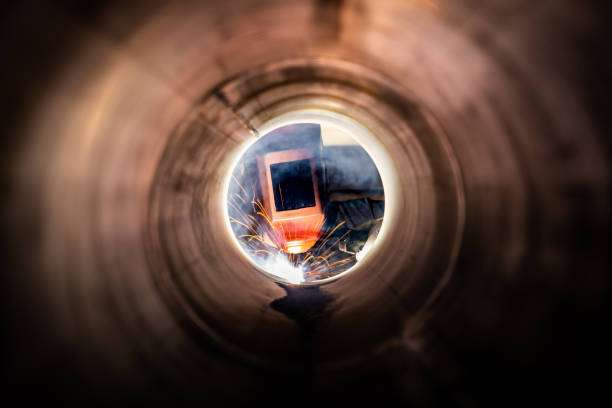
The blue light component of arc light has high energy and strong penetration. Long-term exposure to excessive blue light can not only cause digital eye fatigue—blurred vision, dryness, and headaches—but some studies indicate cumulative retinal damage. For those spending hours daily at a welding station, this is a slow yet real threat.
Even more crucial is visual clarity. Have you ever noticed brief “shadows” after welding or needed extra time to adjust to normal light? This may result from low-quality optical lenses.
Professional welding helmets emphasize optical grade (typically labeled 1/1/1/2 or similar). High optical precision reduces image distortion, ensures true color reproduction, and minimizes visual fatigue.
A “true color” viewing technology lets you accurately judge colors and details of your workpiece before, during, and after welding, reducing errors and effectively enhancing operational safety.
Product Fit: This is why cutting-edge designs highlight blue light protection. For example, a true-color, large-view auto-darkening welding helmet features an outer lens specifically filtering harmful blue light.
Combined with a 3.93×3.66 inch large viewport at 1/1/1/1 optical grade, it significantly reduces eye strain during long work sessions. This is not just seeing clearly—it’s seeing comfortably and safely for extended periods.
2. Heat “Baking”: The Underestimated Facial and Respiratory Safety
High temperatures at welding sites come not only from the arc. Radiation from molten metal, ambient heat, and the helmet seal create a miniature “sauna” inside. Long periods of wear can cause internal heat and moisture buildup, leading to discomfort, dizziness, and distraction, increasing operational risks.
Moreover, welding smoke and particulates may be inhaled if airflow in the helmet isn’t designed properly.
Thus, excellent helmets feature ergonomic designs incorporating efficient heat management and ventilation. This is not just drilling a few vents. It involves internal space layout, moisture-wicking padding, and headband systems that balance secure sealing with adequate airflow.
A “breathing” helmet keeps you alert in hot or prolonged projects, enhancing active safety beyond passive protection.
Product Fit: Look for designs that emphasize comfort. Adjustable headgear and breathable padding reduce neck strain and promote airflow.
Thick, high-quality PP shells provide durability and heat insulation, creating a relatively mild environment for your face.
3. The Hidden Cost of Poor Fit: Stability vs. Comfort Safety Paradox
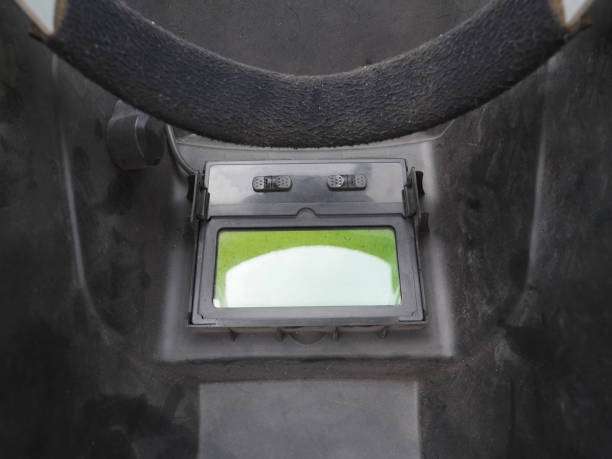
This classic dilemma: tighten the headband for absolute stability, and neck pain or headaches appear after half an hour; loosen for comfort, and the helmet may shift or misalign, forcing one hand to adjust mid-weld—extremely dangerous.
Helmet suspension design is an art of balancing safety and comfort. It requires multi-dimensional, precise adjustability: head circumference, top lock tightness, rear support, and even rotational resistance.
A good system fits snugly yet without burden. Lightweight construction plays a key role; every few grams reduced is a mercy to cervical vertebrae over time.
Product Fit: Seek solutions emphasizing adjustable design and reduced neck stress. A well-designed helmet allows multi-step headband tension adjustments and vertical movement to find optimal balance.
Lightweight plus ergonomic padding ensures long-term, pressure-free wear, fundamentally preventing distraction and operational errors.
Frequently Asked Questions (FAQ)
Q: Is blue light protection necessary for hobbyists, or just marketing hype?
A: It depends on welding frequency. For professionals or avid enthusiasts welding multiple hours weekly, cumulative eye fatigue from blue light is real. Blue light filtering lenses provide an extra long-term protection layer, easing eyes during prolonged work.
For occasional DIY users, standard UV/IR protection suffices, but investing in helmets with this feature is wise for ultimate comfort and comprehensive protection.
Q: How to judge a helmet’s durability besides materials?
A: Material is foundational, e.g., high-quality, impact-resistant PP or PC. Also focus on:
- Movable parts: smoothness of headband adjustment gears, lens compartment latch stability, and hinge rotation precision.
- Power system reliability: dual power modes with solar-assisted and replaceable batteries often offer long-lasting, worry-free energy support, preventing sudden loss of protection.
Safety is never a single feature but a systemic engineering outcome. It starts with instant arc reaction, extends to long-term health care, and is rooted in every minute of comfortable, stable wear.
When choosing your next welding helmet, shift focus from merely “darkening speed” to a holistic view of blue light protection, optical clarity, heat management, and suspension system performance.
Ultimately, the most reliable safety device is one you willingly wear correctly and that provides continuous, comprehensive protection throughout your work session.
A wise investment safeguards not only each spark but also your long-term professional health and job satisfaction. It’s time to upgrade to full-spectrum protection.